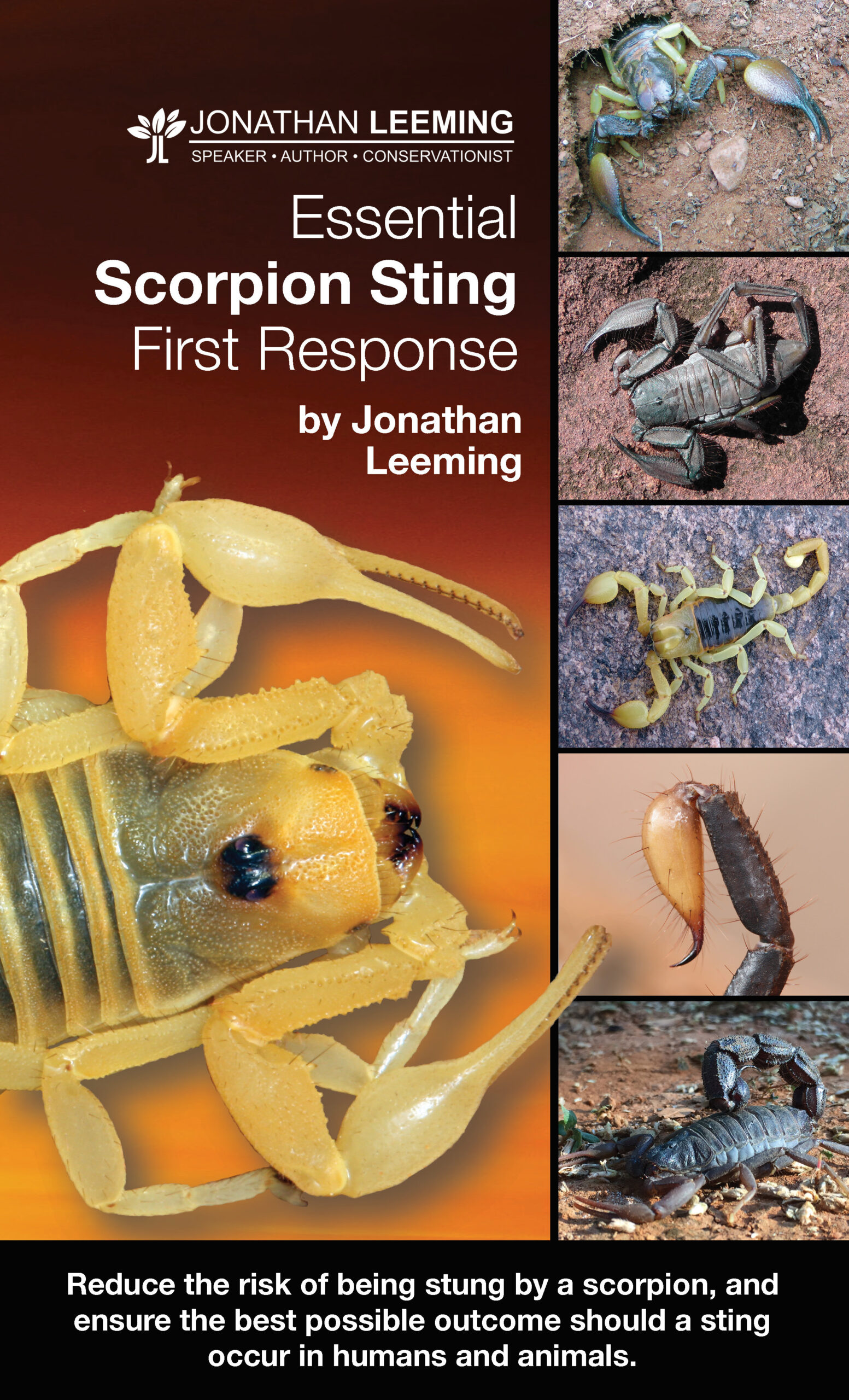
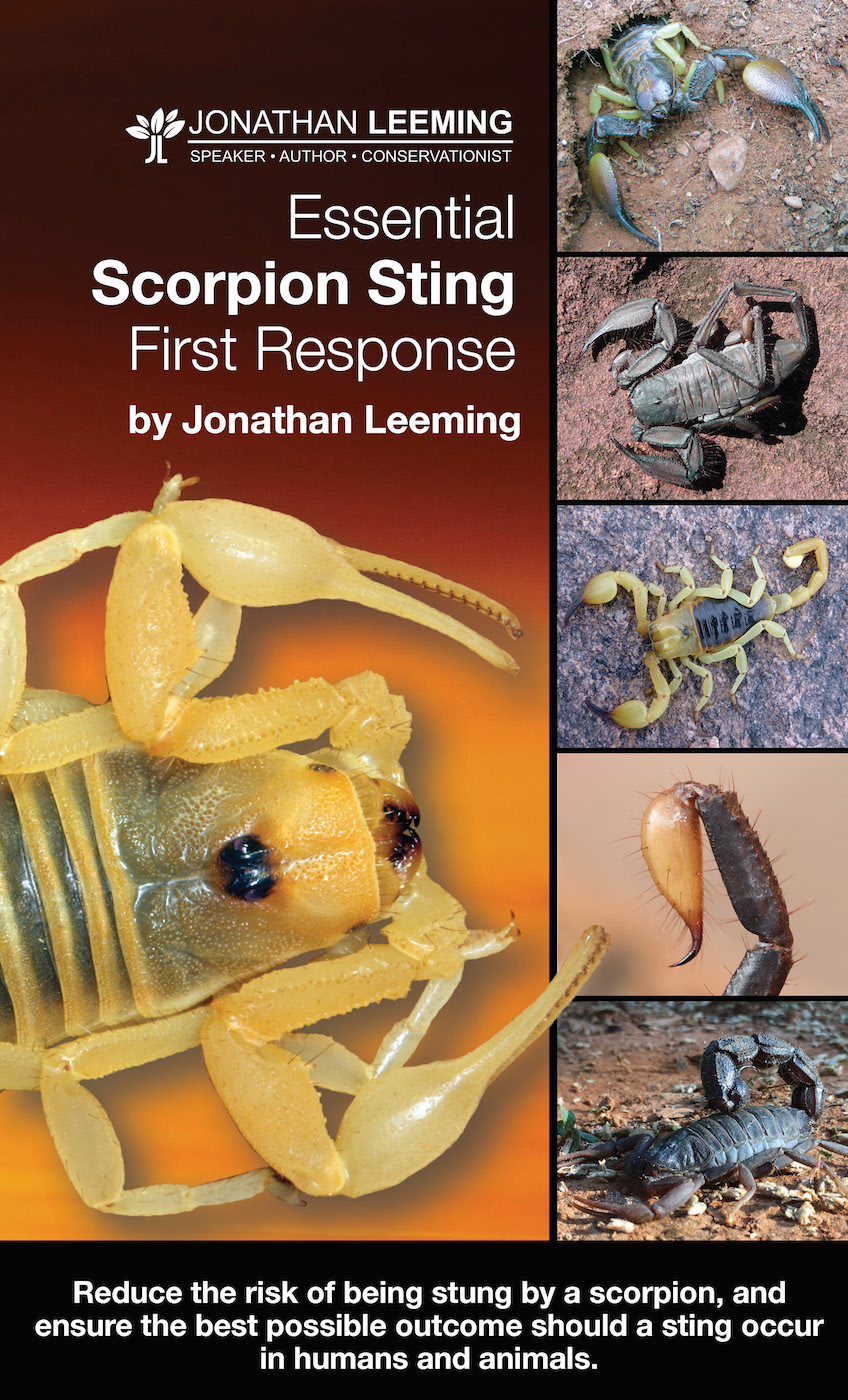
Scorpion identification can be tricky as a result of highly technical and formal identification keys requiring an intimate understanding of these animals. Regional keys offer a simpler and easier way to get to grips with scorpion identification without an understanding of formal keys. There are also practical ways to identify scorpions which are sufficient for effective first response.
When looking at a scorpion, take note of the following:
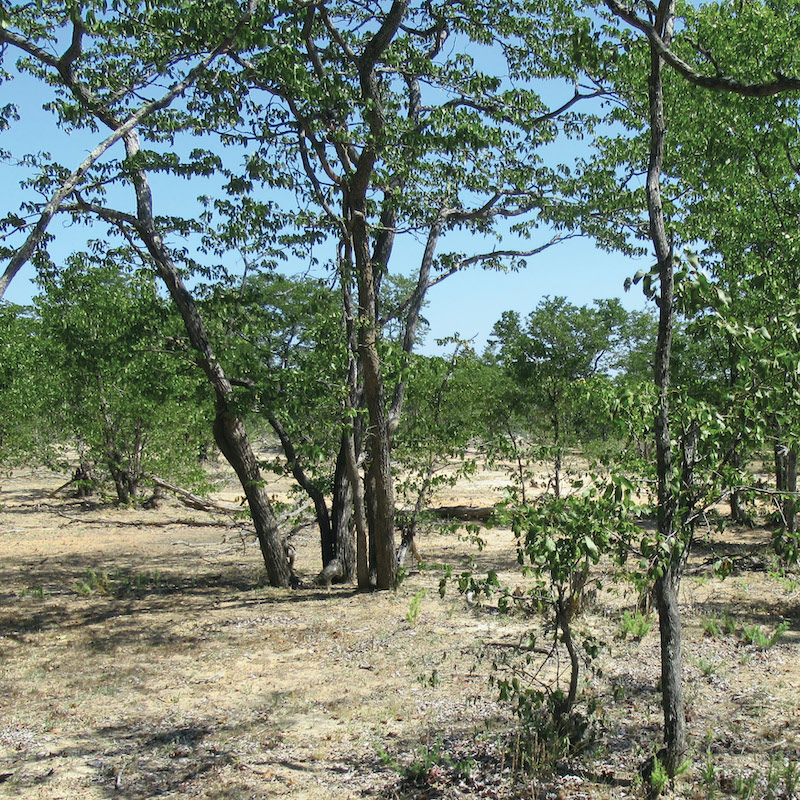
Scorpions are not just found anywhere. They live in places that align to their lifestyles and where their prey can be found. The location of a scorpion plays an important role in identification.
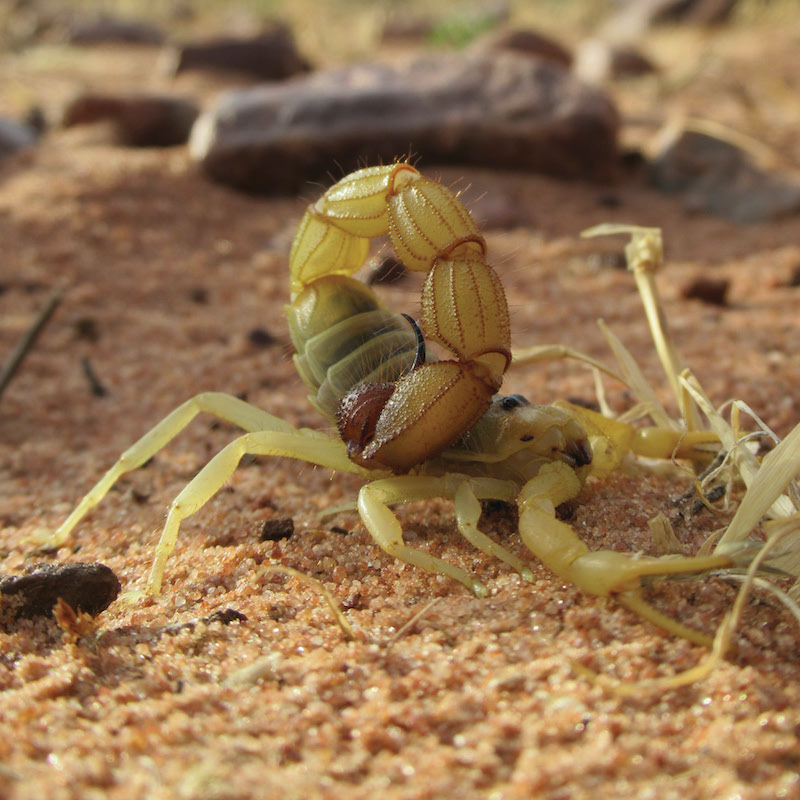
Although scorpions adhere to the same general body plan, their size and shape differ greatly. Southern Africa is home to small species of only 16mm, as well as the longest scorpion in the world at 21cm in length. General size and shape align closely to the scorpions natural history.
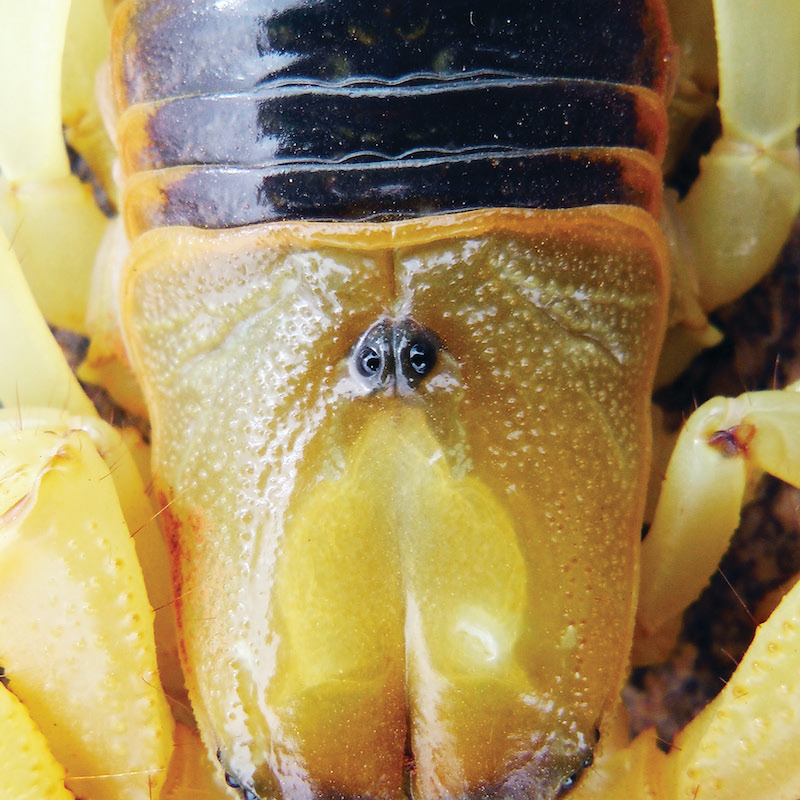
Most scorpions are nocturnal, therefore colouration is not as important in their life when compared to diurnal animals. Colouration is constant for a species with a small distribution. For scorpions with wide distributions, colouration may vary from place to place. Anatomy allows the scorpion to be more successful within the context of its natural history.
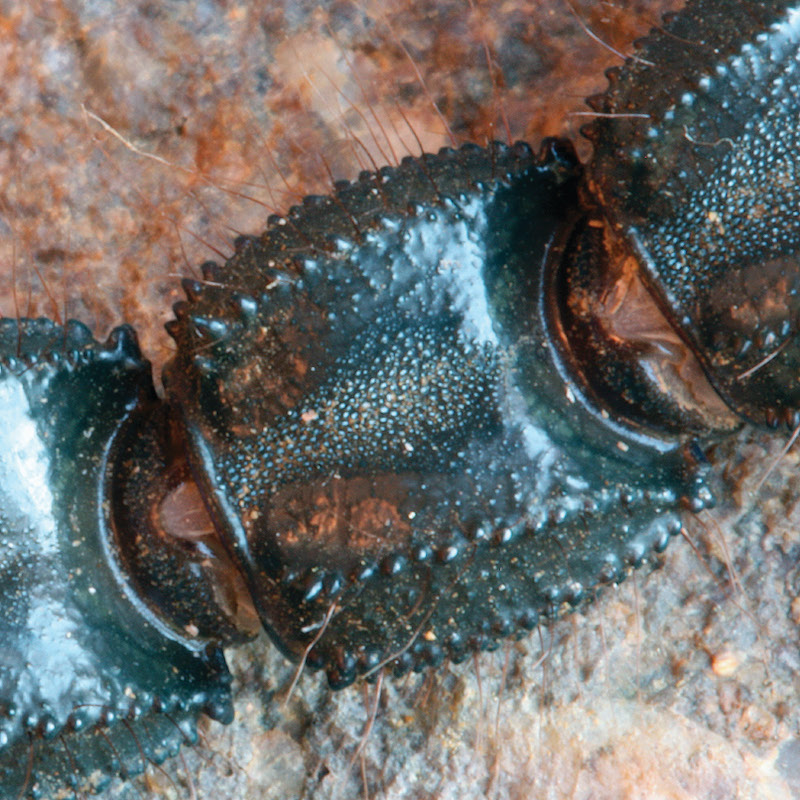
Scorpions are animals of instinct, therefore scorpions of the same species will behave in the same way. This behaviour includes how they move, how they catch prey, how they defend themselves from predators, and other aspects of their life history.
Within the context of scorpion sting first response, scorpion identification is of particular value when a high risk species of scorpion is involved or when collecting data for statistical purposes. However, it has to be noted that there are other alternative ways to evaluate a scorpion sting event where the scorpion was not seen, such as if the patient is in a high risk area, location of symptoms, the existence of any red flags or evaluating the scorpion from a vague description according to the venomosity rule of thumb. It has to be noted that a characteristic of a scorpion sting event involving young children and animals, the scorpion was not identified or even seen.
With practice and patience, it is possible to identify many species of scorpion with ease using the identification traits included in this article. There are a few good books on Southern African scorpions available from your local bookshop or online store. Except for some notable high risk species of scorpion, scorpion sting first response should focuse upon identifying scorpions according to the venomosity rule of thumb.
I'm on a mission to reduce the burden of spider bites and scorpion stings across Southern Africa!
Public Events | Order Book | Presentations | Workshops | Lodge Training